How we were founded and where we began
Before we look at our work today, it’s important to reflect on where we’ve come from. Our history stretches back nearly two centuries, beginning with the pioneering efforts of Dr. William Moon and evolving through many chapters of education, innovation, and support for people with sight loss. What follows is a brief journey through the milestones that shaped the organisation we are today.
Where it began
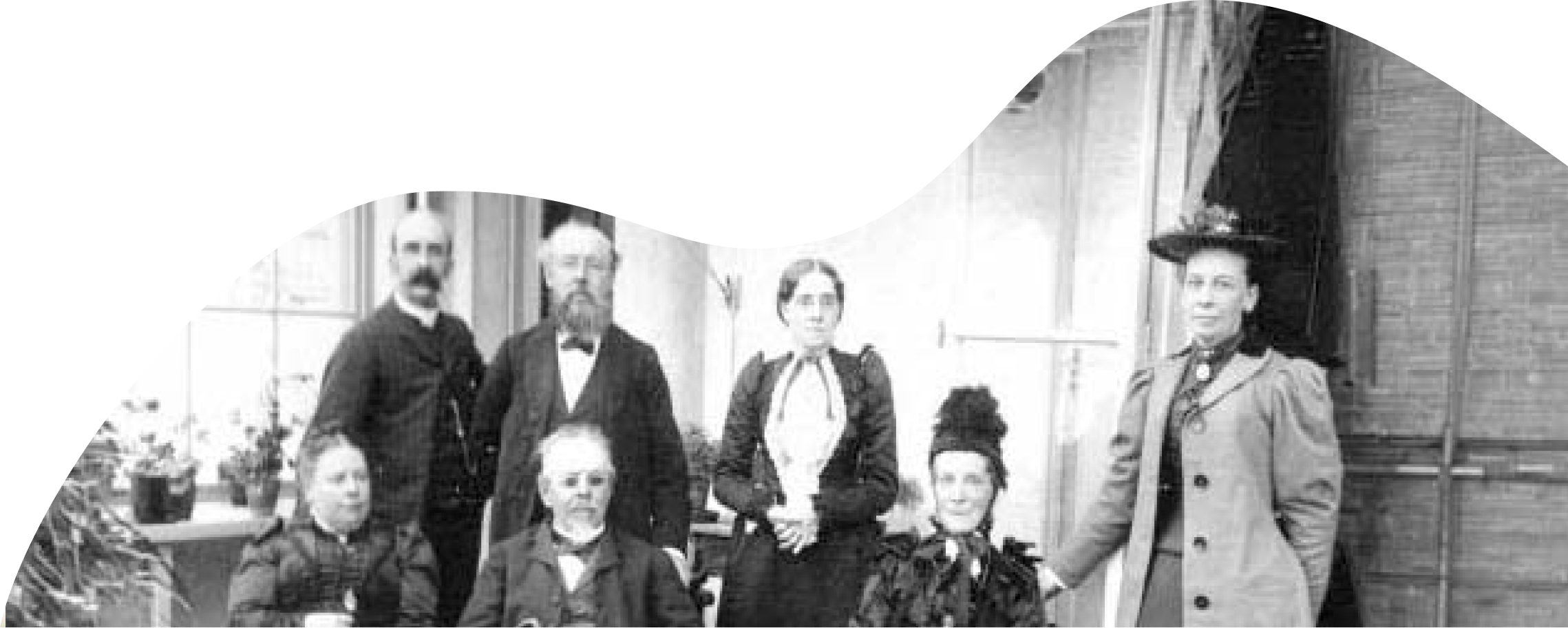
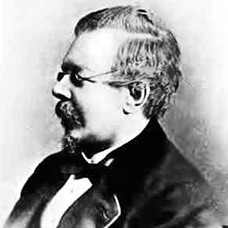
William Moon, was born in Kent in 1818. He lost his sight in one eye following an infection of scarlet fever when he was a child. By his 21st birthday he lost the sight in his other eye and had become totally blind. He moved in with his widowed mother and sister in Brighton, East Sussex. He became a teacher, and taught boys how to read using the existing embossed reading codes. He married Mary Ann Caudle, daughter of a Brighton surgeon, in 1843.
Moon Type
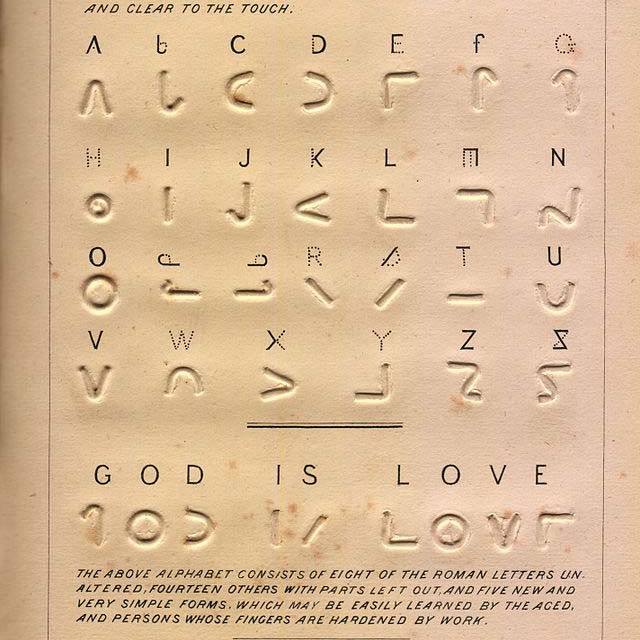
Moon Type was a tactile writing system created in the early 19th century to help blind readers access text through touch. Unlike Braille, it uses simplified, raised shapes that resemble the Roman alphabet, making it easier for sighted teachers to learn and teach. Though eventually overshadowed by Braille, Moon Type remains valuable for readers who find Braille too complex or who lose their sight later in life, since its bold, curved forms are easier to distinguish by touch.
School for blind boys
William Moon's work resulted in the establishment of a small school for blind boys. He started the Brighton Asylum for the Instruction of the Blind at his house in Queens Road in 1841. After a short time, they moved to a building in Egremont Place which was shared with deaf and dumb children. However, the number of blind pupils increased so the school moved again and by 1844 was situated in the Central National Schools in Church Street with the entrance to the Asylum round the corner in Jubilee Street.
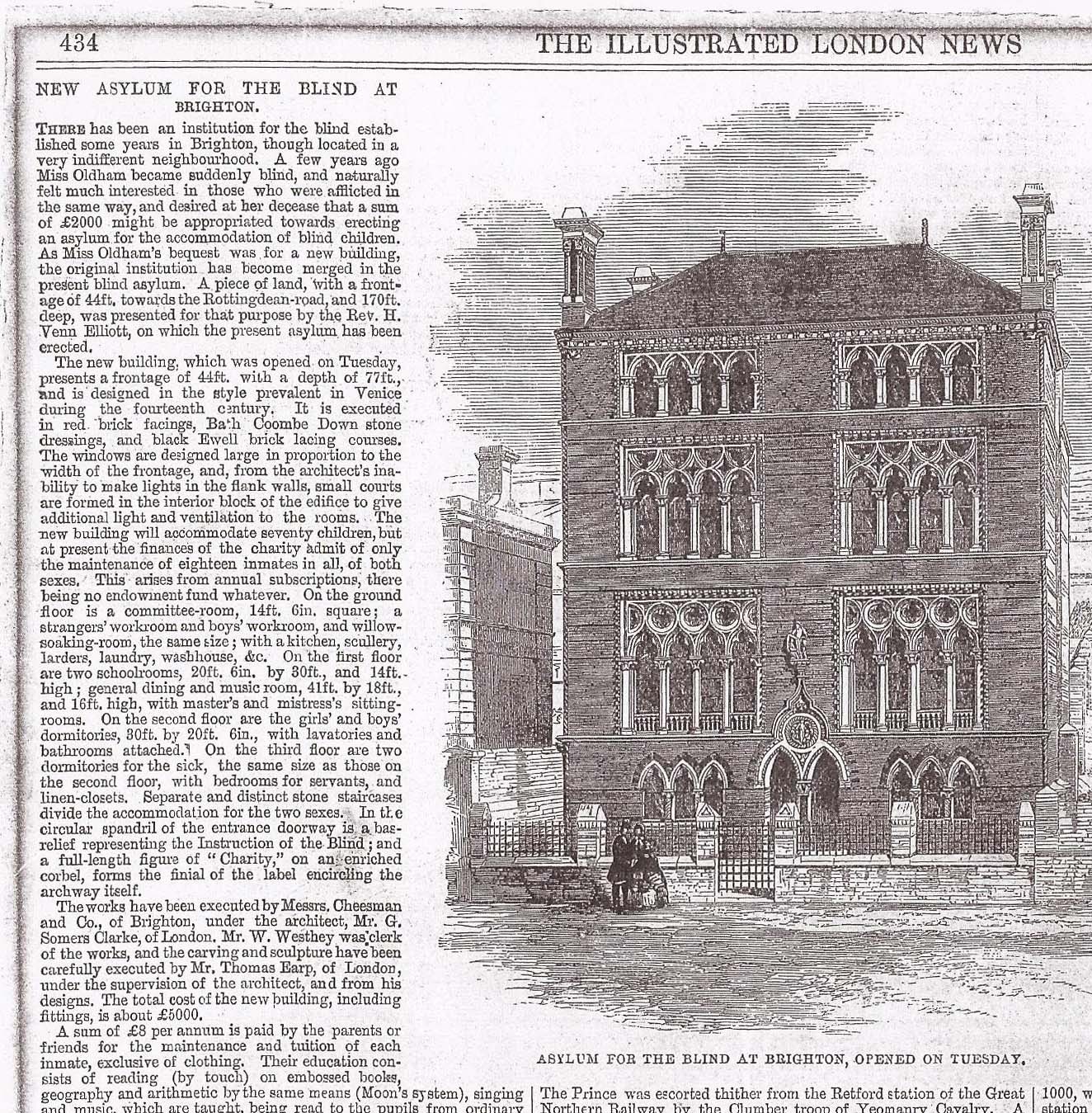
Moving to Eastern Road
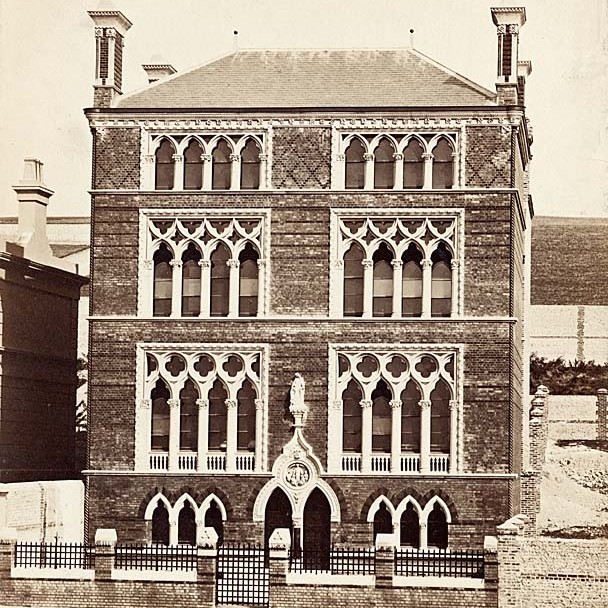
In October 1861, following a public appeal, the Asylum moved to newly constructed premises (demolished in 1958) in Eastern Road, which had been designed by Somers Clarke (1841-1926) of 20 Cockspur Street, London, on land donated by the Rev Henry Venn Elliot. It had two schoolrooms, a music and dining hall, workroom and a willow-soaking room for basket-making.
Moon's prestige
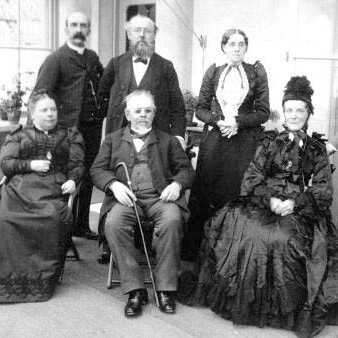
In the 1860's, following a public appeal, the Brighton Asylum for the Blind opened in Eastern Road, Mary died in 1864, and William married in 1866 to Anna Maria Elsdale. William and Mary had a son and a daughter. He was honoured for his work during his lifetime: he was elected to fellowships of the Royal Geographical Society and the Royal Society of Arts in 1852 and 1857 respectively; he was also awarded an honorary LLD degree by the University of Philadelphia in 1871. He died in Brighton in 1894.
The school moves to Seaford
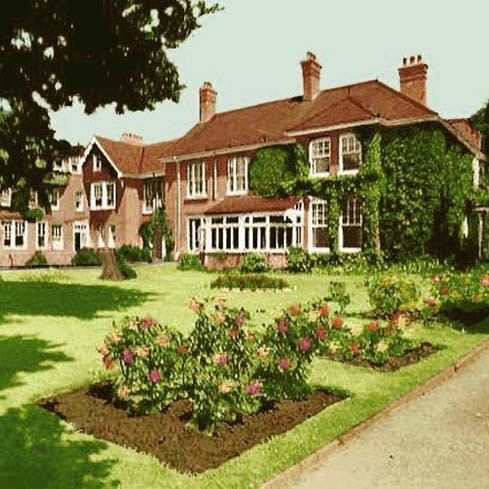
In 1904 the girls were transferred to the Barclay School for partially sighted girls in Sunninghill, Berkshire, and the Asylum catered just for boys. In 1921 the Asylum was renamed Brighton School for Blind Boys. The school was evacuated to Upton Hall, near Newark, Nottinghamshire in February 1942 and returned to Brighton in about June 1945. It was renamed the Brighton School for Partially Sighted Boys in 1946. After the 2nd World War Blatchington Court in Seaford (previously a private girls’ school) was purchased and in 1951 the school moved to the new site. The school was renamed Blatchington Court School for partially sighted boys. The school properties at 76 Belgrave Road, East Blatchington and Eastern Road were sold.

Blatchington Court Trust is founded
The government formed a committee in 1975 to review future provision for special educational needs, leading to the Warnock Report in 1978. Its recommendations saw many children with special needs move from special schools to mainstream education, causing enrolments at schools like Blatchington Court School to fall. Blatchington Court closed in 1985, and the site was sold to establish the Blatchington Court Trust. To understand the needs of children and young people with sight loss at the time, the Trust commissioned research led by Gill MacDonagh at the University of Sussex’s Trafford Centre, where Lady Trafford was a Trustee.
The mission continues
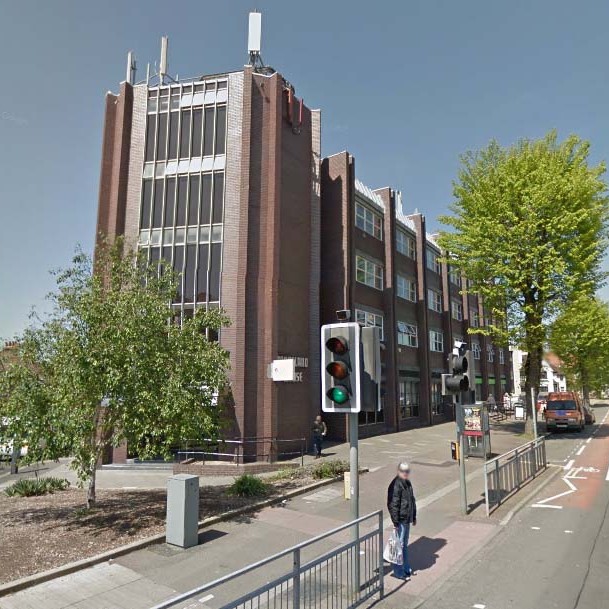
The findings from this research shaped the Trust’s early services, which included education advocacy, large grants to other charities supporting people with sight loss, activity programmes, and employment support. The Trust began operating in 1994 and was based for many years at Ridgeland House near Seven Dials in Brighton. In 2013, it purchased 6a Hove Park Villas, close to Hove Station, and relocated there in July of that year.